Showing posts with label SBI. Show all posts

Sunday, November 23, 2014

$1 billion loan no cakewalk for Adani group; SBI says company will have to repay Rs 5000 crore for fresh credit

Friday, 21 November 2014 - 7:30am IST | Place: Mumbai | Agency: DNA
Bulging credit
Rs 72,632.37 crore --Total debt as of September 30, 2014
Rs 8,999.92 crore total operating profit over last four quarter
Rs 5,733.77 crore interest on the debt
Amid uproar over State Bank of India (SBI) extending $1 billion loan to Adani group's ambitious Australian mining project, the lender on Thursday clarified that the group will have to first repay and prepay loans of about Rs 5,000 crore to get the fresh credit.
The net fresh lending to the group after due diligence to develop the $7.5 billion Carmichael coal mine project in Queensland, Australia, will be only $200-400 million depending on the repayments, according to SBI.
Arundhati Bhattacharya, chairman of SBI, said as of now this is only a memorandum of understanding (MoU).
"The company has to undertake repayments and prepayments. The loan itself is subject to techno-economic study, compliance with our credit policies and approval by the bank's board. The final decision will be based purely on commercial considerations. The project is good and will help in energy security as the quality of coal is very good. But Adanis have to repay a portion of the existing loan that we have extended to them. The net fresh lending will only be about $200 to $400 million," she told dna.
The coal mining project has a debt-equity ratio of 70:30.
"Unless the company brings in the equity, the bank will not give any funding. The Queensland government is also putting in some equity. Only after the equity part is ready, will the bank step in," said Bhattacharya.
The loan is being extended to Adani Mining, the Australian subsidiary of Adani Enterprises, for the mine, which has massive blocks of untapped coal reserves.
Adani Enterprises has won support from the Australian state and an MoU from SBI for the coal mine project, despite a slump in coal prices to five-year lows.
Promoter Gautam Adani is also banking on Australia's big four banks along with export credit agencies of Korea and the US for a financial closure of his most ambitious project. Up to $1.5 billion is expected to be raised from South Korea's export credit agency as theAdani Group has awarded a $2-billion contract to Korean company Posco to construct the 388-km railway line to connect the Carmichael mine to Abbot Point.
Prime minister Narendra Modi met Queensland premier Campbell Newman in Brisbaneculminating in a commitment from the government there to take short-term, minority stakes in Adani Group's rail and port infrastructure projects.
Despite such assurances from SBI, the potentially huge lending has created an uproar in India and critics have accused the lender of favouritism. Experts are also worried at the huge debt that the Adani group has piled up.
According to analyst Vivek Kaul, as on September 30, 2014, the total debt of the group stood at Rs 72,632.37 crore. Total operating profit of the group over the last four quarters was at Rs 8,999.92 crore. The interest on its debt was Rs 5,733.77 crore.
"This means an interest coverage ratio of around 1.57. Interest coverage ratio is essentially the earnings before interest, taxes and exceptional items (or operating profit) of a company divided by its interest expense. It tells us whether the company is making enough money to pay the interest on its outstanding debt. The lower the interest coverage ratio the better the situation of the company. Also, the moment the interest coverage ratio starts hovering around 1.5, the ability of the company to keep paying interest on its debt becomes questionable," Kaul said in his blog.
Also, a matter of concern is the growing NPA of public sector banks. Deepak Shenoy who runs www.capitalmind.in said the net non-performing assets of the 12 banks that are a part of the 50-share Nifty Index rose by 13.31%, for three months ended September 30, 2014, in comparison to the same period last year.
The Carmichael project has been facing the ire of environmentalists in Australia too because of potential danger that the mine will cause to the Great Barrier Reef.
Meanwhile Congress party on Thursday questioned the decision of SBI to give $1 billion loan to Adani during PM's visit to Australia, according to PTI.
"What was the propriety of the SBI giving the loan to Adani, who was sitting next to the prime minister during the visit, at a time when some five foreign banks have denied credit to the group for the project?" party general secretary Ajay Maken said. He alleged that the PM appeared taking keen interest in "promoting" Adani in getting the loan worth Rs 6,200 crore during the visit in which the SBI chairman was also present.
"When five top foreign banks have already declined to fund Adani's project, what was the need and the sense in giving such a huge loan to him from the hard-earned money deposited by the common people? Did the SBI do the due diligence? If it did so why it is not declaring the MoU? On what conditions it was done? And what was the liability?" Maken said.
He also saw contradictions in the PM's thrust on coal mining in Australia and the coal minister Piyush Goyal's statement that India will be able to stop import of coal in the next two years.

SBI’s $1 bn promise to Adani group: The public bank has a lot of explaining to do

 SBI’s $1 bn promise to Adani group: The public bank has a lot of explaining to do
Dinesh Unnikrishnan. F BIZ 22 NOV 2014

The Rs 6,200 crore loan agreement the State Bank of India (SBI) signed during Prime Minister Narendra Modi's Australian visit to fund Gautam Adani’s Carmichael coal project in Queensland has been questioned on the basis of its merits, with the proposal evoking sharp criticism from Congress party as it alleged that Modi is promoting Adani and is using the government lender to come to the aid the industrialist.
The critics have primarily the following questions: Why did SBI decide to give a $ 1 billion loan to a project, whose previous attempts at fund raising were was turned down by several international banks who cited non-viability of the project? Also, Adani's bigger coal rivals in Australia, such as BHP Billiton and Glencore, have shelved coal developments in the backdrop of Australia's coal industry making losses. What is the guarantee that SBI won’t burn its hands by lending to Adani for such a project?
SBI has defended its position saying it has only signed a memorandum of understanding with Adani to extend credit facilities. The actual disbursement will happen only after assessing the details of the project and being convinced about the merits, the lender said.
According to SBI chairman Arundhati Bhattacharya, after repaying an existing loan to the bank, the net fresh funding to Adanis will be $200 to $400 million (about Rs 1,200 crore to Rs2,500 core).
Probably, here are the larger concerns that SBI should address:
One: Using part of the fresh loan from the same lender primarily to repay an old existing loan amounts to ever greening of the loan or clandestine restructuring, something which the Reserve Bank of India (RBI) has been cautioning banks against over the years. That is particularly important if the future cash flows from a particular project, for which the money is given, is doubtful.
Two, if the $ 1 billion loan is indeed intended for the Carmichael coal project and the partial repayment is for loans drawn earlier for other projects in the group, then that becomes a case of a diversion from the stated end-use ( assuming that the stated use in this case is the development of the Carmichael project.) Is that the case?
Or else, if it is a top up loan for the same project, it would, in fact, add to the repayment burden of the company since the total outstanding increases if the project doesn't turn out to be profitable.
Ever-greening has been a problem with the Indian banking sector and is the reason for pile up of hidden stressed assets in the form of restructured advances.
Any banker would admit that of the Rs 6 lakh crore of loans are currently being recast under various channels—bilateral restructuring and corporate debt restructuring—there is a significant chunk of hidden bad loans. The reason is that in several cases companies didn’t deserve loan recasts and got the facility through understandings achieved in state-run banks thanks to political influence.
In such cases, what really happens is a bank loan, which is practically a bad loan, is maintained as a standard account through some sort of top up loan or easing of norms. This is done in the mutual interest of the lender and borrower. Let’s admit that Indian banks are neck-deep in bad loans and the problem is huge. It's high time caution is exercised.
About Rs 2.6 lakh crore of the total loans given by banks are already bad. Besides the genuine reasons such as economic slowdown, a major part of the bad loans can be attributed to careless, imprudent lending by banks to large corporations.
As at end September, Adani enterprises have total debt of Rs 72,632 crore, which includes long-term debt of Rs 55,365 crore and short-term debt of Rs17,267 crore. As an earlier Firstbiz article pointed out, the group’s ability to repay its debt obligations is perceived to be weak as reflected in its declining interest coverage ratio.
RBI governor, Raghuram Rajan, in the past had highlighted the danger of rampant evergreening on stressed assets.
“Ever-greening is trying to ignore the problem and taper over for later period and thus create large problems in future,” he had said.
In Adani’s case, given the political and public attention on the deal, SBI will be complicating the whole affair if it is not clear on the actual use of the promised money.
There is not much strength in SBI’s argument that the transaction is not done and it is just an agreement. Such a major proposal, announced at a foreign venue presided by heads of nations, must be followed up with actions. The question here is where exactly will the money SBI plans to give Adani group be deployed?
If a good chunk of the money goes to clean up the balance sheet of Adani and evergreen its old debt, the whole exercise will set yet another bad precedent in Indian banking, which is presently struggling to tide over a bad phase.

Thursday, November 20, 2014

1 Billion loan to Adani : SBI's $1 billion loan to Adani makes no sense, here's why

strike-sbi-lock-reuters

The State Bank of India(SBI) has decided to lend up to $1 billion to Adani Mining, the Australian subsidiary of Adani Enterprises for the Carmichael mine in Queensland, Australia. The mine has massive blocks of untapped coal reserves. The company aims to build the project by end of 2017.
"The MOU with SBI is a significant milestone in the development of our Carmichael mine," Adani said in a statement released yesterday
The loan as and when it is extended would be one of the largest given out by an Indian bank for a foreign project. The question is should SBI be giving out a loan of up to $1 billion to a company which already has a huge amount of debt.
Let's take a look at how the numbers look. As on September 30, 2014, the long term debt of the company stood at Rs 55,364.94 crore. The short term debt stood at Rs 17,267.43 crore. Hence, the total debt of the company stood at Rs 72,632.37 crore.
As on March 31, 2014, the total debt of the company stood at Rs 64,979.04 crore. Hence, the total debt of the company has shot up by Rs 7653.33 crore in a matter of six months.
The question we are trying to answer here is how good is the ability of the company to service all the debt that it has managed to accumulate. For that we use results of the last four quarters and calculate the interest coverage ratio. Interest coverage ratio is essentially the earnings before interest, taxes and exceptional items (or what is often termed as operating profit) of a company divided by its interest expense. It tells us whether the company is making enough money to pay the interest on its outstanding debt.
The total operating profit of the company over the last four quarters comes at Rs 8999.92 crore. The interest that the company has paid on its debt in the last four quarters amounts to Rs 5,733.77 crore. This means an interest coverage ratio of around 1.57.
As www.investopedia.com points out “The lower the ratio, the more the company is burdened by debt expense. When a company's interest coverage ratio is 1.5 or lower, its ability to meet interest expenses may be questionable.”
While Adani Enterprises' interest coverage ratio is not lower than 1.5 it is clearly getting there. In fact, things get even more interesting once we start calculating the interest coverage ratio on the basis of quarterly data. The interesting coverage ratio for the period of three months ending March 31, 2014, stood at 2.67. It stood at 1.58, for the period of three months ending June 30, 2014. And for the period of three months ending September 30, 2014, it stood at 1.12.
As we can see, the ability of the company to keep paying the interest that it needs to pay on its debt has come down dramatically during the course of this financial year. As www.investopedia.com points out “An interest coverage ratio below 1 indicates the company is not generating sufficient revenues to satisfy interest expenses.” Adani Enterprises is clearly moving towards this situation. Further, in a May 2014 report, Bank of America Merrill Lynch had estimated that the company would have an interest coverage ratio of 1.2 during the course of this financial year.
What all this clearly tells us is that Adani Enterprises is in an over-leveraged situation and is getting to a situation where it will find it difficult to keep paying the interest on its debt. The thing with debt is that it can work both ways. When a company takes on a higher amount of debt it gives itself an opportunity to generate higher earnings vis a vis a situation where it hadn't taken on that debt at all.
If this happens, then these increased earnings are spread among the same number of shareholders. But at the same time the company runs the risk of getting into a situation where the projected earnings simply don't come along and it finds it difficult to keep paying the interest on all the debt that it has taken on.
Adani Enterprises runs the risk of getting precisely into this situation. Further as a Reuters news-report points out “Much bigger coal rivals, like BHP Billiton and Glencore, have also shelved coal developments in Queensland at a time when a third of Australia's coal output is making losses.”
Also, coal prices have fallen over the last few years. As a recent report in The Hindu points out “Globally, coal prices have been on a downtrend in the last three years and are at the lowest levels since 2009. Prices of steam coal, a slightly lower grade that is used in power generation, have halved since 2011 to $62 per tonne now.”
This fall in prices has happened because of the supply not shrinking along with demand. “For instance, demand from China — the largest consumer of coal accounting for half of the total global demand — has been slow. After growing at over 10 per cent annually during 2001-2011, the country’s demand has fallen — imports were down to 150 million tonnes (mt) in 2013, from 182 mt in 2011. And given the pollution-related issues, it is expected that the country may look at cleaner sources more actively, holding down demand. Goldman Sachs estimates that imports will fall to 75 mt by 2018,” The Hindu points out.
Goldman Sachs expects the demand growth to be 15 million tonnes per year during 2013-2018, against 60 million tonnes per year it was at during 2008-2012. The supply of coal isn't likely to come down. In case of Australia the miners have entered into long term “take or pay” contracts which requires them to pay $20 per tonne of transport costs, irrespective of the fact whether or not they ship coal. Hence, Australian miners are likely to continue to ship coal.
What this tells us is that coal is not the best business to be in right now. Despite these reasons SBI has gone ahead and given a loan of up to $1 billion to Adani Enterprises. This is not a logical decision which takes into account the facts as they prevail. The only possible explanation for this decision is the “so called” closeness of Gautam Adani, chairman of Adani Enterprises to Narendra Modi, the prime minister of India.
Vivek Kaul is the author of the Easy Money trilogy. 19 Nov 2014

Monday, November 17, 2014

MOU for loan : $1 billion from the State Bank of India for the Carmichael mine in Queensland,Australia

Modi factor? Adani gets $1 bn loan backing from SBI for Australian coal project

Melbourne: Adani Enterprises won support on Monday from the Indian government and an Australian state to help it build a $7 billion coal mine, rail and port project, defying a slump in coal prices to 5-1/2 year lows that has stalled rival projects.
The Indian trading and infrastructure conglomerate signed a memorandum of understanding to line up a loan of up to $1 billion from the State Bank of India for the Carmichael mine in Queensland, which it aims to build by the end of 2017.
"The MOU with SBI is a significant milestone in the development of our Carmichael mine," Adani Group Chairman and founder, Gautam Adani, who has close ties with Indian Prime Minister Narendra Modi, said in a statement, following a signing in Brisbane.
Adani came to Brisbane with a business delegation from India for the G20 summit, which Modi attended over the weekend.
The company also won a commitment from the state government to take short-term, minority stakes in rail and port infrastructure needed to unlock massive coal reserves in the untapped Galilee Basin. Coal from the region must be sent 400 km (250 miles) by rail to Australia's east coast.
"We are bringing on board valued partners in different facets of this integrated project, ensuring we will meet our guidance of first coal in 2017," Adani Mining CEO Jeyakumar Janakaraj said in a statement.
No final investment decision has been made on the Carmichael project.
Australia's federal and Queensland governments are eager to see the mine built following the loss of more than 4,000 coal jobs over the past two years, but analysts and project finance experts believe Adani may have underestimated the challenge of raising funds for the project.
Adani, which is also facing a campaign by anti-coal campaigners, is counting on lining up funding from South Korea, having named POSCO Engineering & Construction Co Ltd as the preferred contractor to build its rail line.
Adani's apparent momentum on the Carmichael project is in stark contrast to rival Indian firm GVK's slow progress on another huge coal mine in the Galilee Basin, the Alpha project, which is co-owned by Australian billionaire Gina Rinehart.
Much bigger coal rivals, like BHP Billiton and Glencore , have also shelved coal developments in Queensland at a time when a third of Australia's coal output is making losses.
Reuters 17 Nov 2014

Friday, October 24, 2014

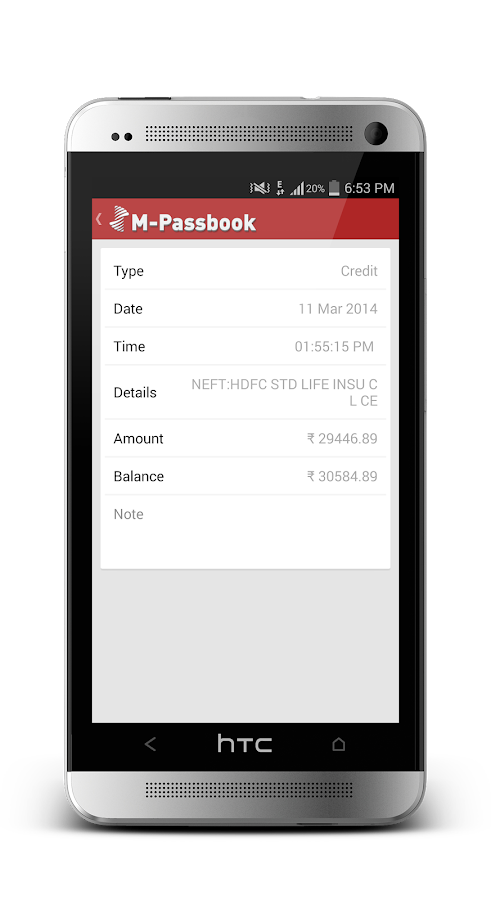
Pass Book Facilities :SBI unveils `mPassBook’ facility on smartphone

BL : PTI : 22 Oct 2014
State Bank of India (SBI) launched a facility called ‘mPassBook’ today, on its ‘State Bank Anywhere’ mobile application, for its retail banking users.
Launching the facility, SBI Chairman Arundhati Bhattacharya, said that ‘mPassBook’ is an electronic application of a physical passbook for savings bank and current accounts.
The facility is currently available on Android phones but would soon be available on iOS and Blackberry phones too.
The facility empowers users to view their transaction history on their smartphone and maintain an entire year’s historical data on it.

Tuesday, September 9, 2014

SBI seeks RBI's permission to launch contactless debit cards

Photo: www.visualphotos.com

PTI | September 09, 2014, 11.09 am IST

Mumbai: The country's largest lender State Bank of India said it is planning to launch contactless Debit cards which would enable customers to carry out some transactions without entering the pin number. The bank has sought Reserve Bank's permission for this.
"Right now, for any card which has to be used, a customer has to put in the pin number. Some exception has to be made as for lower amount deals like buying a Metro or bus ticket, where he can simply show the card and get in.
"So, we have requested the RBI to come up with a limit below which the pin will be waived. We have suggested that we can have up to Rs 2,000 as the limit," SBI Deputy MD (corporate strategy and new businesses) S K Mishra told reporters here while launching a multi-currency foreign travel card. Once the regulation comes in, all its future debit cards would be near-field communication (NFC or contactless) enabled, he added. The bank is currently doing a test-run of such contactless cards at the Chennai and Mumbai metro stations.
SBI and MasterCard on Monday launched a multi-currency foreign travel card which would be available in dollar, pound, euro and the Singaporean dollar. A customer will have to pay one-time fee of Rs 100 to get the card and the minimum amount that can be loaded is USD 200. "The country you are in would be the base currency for the first transaction, but if there is no balance in that account then it can switch over to the other buckets which hold the available balance," Mishra said.
SBI has currently authorised 100 branches across Mumbai, Delhi, Chennai and Bangalore to sell the card. Mishra said the bank would later add other currencies such as Canadian dollar, Australian dollar, Japanese Yen and Saudi Riyal to this multi-currency card. The bank also proposes to make these cards contactless in a month or so.

Friday, August 15, 2014

State Bank group to roll out cash recyclers across country

Savings Banks could gain from the higher balances in customer accounts
BL 15 Aug14
Machines will have facility to keep counterfeiters at bay
State Bank of India and its five associate banks are planning to collectively install 4,300 cash recyclers, which will accept as well as dispense currency notes through replenishment and recycling of notes.
The bank and its associates will roll out these recyclers across the country by March-end 2015 as replacement for old ATMs or cash-dispensers that are seven years or more old.
Savings for banks
The advantage of such a move is that savings will accrue to the bank. Reason: the number of times the recyclers have to be replenished with cash will come down as customers will also be putting cash into it for instant credit to their accounts, said a senior bank official.
The risk of carrying daily earnings home for shopkeepers, traders, cabbies, and others will also be minimised.
Further, the bank could also reap the benefit of access to higher balances in a customer’s savings bank/ current account. To keep counterfeiters at bay, the cash recyclers will have the capability to back-track the depositor for all notes deposited or dispensed, with a record of the serial number of individual currency notes.
The recyclers, according to the bank’s request for proposal, will also have bunch note accepting and dispensing capabilities, with a minimum capacity of 200 notes at a time and accepting/ dispensing all rupee denominations — 50s, 100s, 500s and 1,000s.
The machine will be able to recognise the year of issue of the currency and can be configured in a way that while currency printed in or up to a certain year may be accepted (or rejected) by the machine, it may not be dispensed.
Fingerprint reader
For customers who are not tech-savvy and uncomfortable using a PIN for transactions, the cash recyclers will come with biometric authentication capability, with a fingerprint reader, according to Aadhaar specifications.
The cash recyclers will be enabled for operation by visually-challenged persons and for wheel-chair based operation by physically challenged persons.
In the last year (up to June-end 201

Monday, July 14, 2014

30லட்சம் ரூபாயில் உருவான ஸ்டேட் வங்கியின் தாய்வீடு: எரிந்து போன முதல் அரசாங்க வங்கிக் கட்டிடத்தின் கதை

ஸ்டேட் பாங்க் கட்டிடத்தில் சனிக்கிழமை தீவிபத்து ஏற்பட்டபோது எடுத்த படம். படம்: கே.பிச்சுமணி
ஸ்டேட் பாங்க் கட்டிடத்தில் சனிக்கிழமை தீவிபத்து 

ஏற்பட்டபோது எடுத்த படம். படம்: கே.பிச்சுமணி

ஹெச். ஷேக் மைதீன் தி இந்து திங்கள், ஜூலை 14, 2014

சென்னையில் தீப்பிடித்து இடிந்து போன ஸ்டேட் வங்கிக் கட்டிடம்தான், ஸ்டேட் வங்கியின் தாய் வீடாக இருந்துள்ளது. இந்தக் கட்டிடம் மெட்ராஸ் வங்கி என்ற பழம் பெருமை மிக்க வங்கியாகவும், அரசாங்க வங்கி என்றும் அழைக்கப்பட்டுள்ளது.

சென்னை ராஜாஜி சாலையில் உள்ள பாரத ஸ்டேட் வங்கியின் ஜார்ஜ் டவுண் கிளை, சிறு குறு தொழில்களுக்கான கிளை மற்றும் வீட்டு வசதி சிறப்புக் கிளைக் கட்டிடம், சனிக்கிழமை ஏற்பட்ட பயங்கர தீ விபத்தில் நாசமானது. இந்த தீ விபத்தில் எதிர்பாராத விதமாக கட்டிடத்தின் பெரும்பாலான சுவர்கள் இடிந்து வெறும் எலும்புக்கூடாக காட்சியளிக்கின்றன.

பாரம்பரியமிக்க இந்தக் கட்டிடம், பாரத ஸ்டேட் வங்கியின் தாய் வீடாகும். ஆங்கிலேயர் ஆட்சியில் நாடு முழுவதும் பேங்க் ஆப் மெட்ராஸ், பேங்க் ஆப் மும்பை மற்றும் பேங்க் ஆப் பெங்கால் (கொல்கத்தா) என்று மூன்று துறைமுக மாநகரங்களின் பெயர்களில் வங்கிகள் தனியாக செயல்பட்டன.

 பிரிட்டிஷ் கவர்னர் வில்லியம் ஜிபோர்ட் உத்தரவின்பேரில் 1806ம் ஆண்டு பிப்ரவரி 1ம் தேதி மெட்ராஸ் வங்கி என்ற அரசு வங்கி தொடங்கப்பட்டது. பின்னர் மெட்ராஸ் வங்கி, கர்நாடிக் வங்கி, ஏசியாட்டி வங்கி மற்றும் பிரிட்டிஷ் பேங்க் ஆப் மெட்ராஸ் ஆகியவற்றை இணைத்து, 30 லட்ச ரூபாய் மூலதனத்துடன் மெட்ராஸ் வங்கி 1843ல் தொடங்கப்பட்டது. 

ஜார்ஜ் கோட்டையில் தற்போது அருங்காட்சியகம் இருக்கும் கட்டிடத்தில் இந்த வங்கி செயல்பட்டது.


‘இம்பீரியல்’ வங்கிக்காக இந்தோ சார்சனிக் கட்டிடக் கலை அடிப்படையில் பொறியாளர் ஜேக்கப் வடிவமைத்த வரைபடம்.
இம்பீரியல்’ வங்கிக்காக இந்தோ சார்சனிக் கட்டிடக் கலை அடிப்படையில் பொறியாளர் ஜேக்கப் வடிவமைத்த வரைபடம்.

இதேபோல், 1809ம் ஆண்டு ஆங்கிலேயர் ஆட்சியில் பேங்க் ஆப் பெங்கால் வங்கியை பிரிட்டிஷ் பேங்க் ஆப் இந்தியா என்று அறிவித்து, அரசு நிர்வாக நிதிப் பரிவர்த்தனைகளை மேற்கொண்டனர்.

 இதைத் தொடர்ந்து, 1840ம் ஆண்டு பேங்க் ஆப் மும்பையும், 1843ல் பேங்க் ஆப் மெட்ராஸும் இணைக்கப்பட்டு, பிரிட்டிஷாரால் இம்பீரியல் வங்கி என்ற பெயரில் இணைக்கப்பட்டன.

பின், ராஜாஜி சாலையில் (அப்போதைய வடக்கு பீச் சாலை), வங்கிக்காக தனியாக இடம் வாங்கி, இம்பீரியல் வங்கி அங்கு மாற்றப்பட்டது. தற்போது தீவிபத்தில் இடிந்து போன கட்டிடம் இருக்கும் இடம், ஒரு லட்ச ரூபாய்க்கு வாங்கப்பட்டது.

 கொலோனெல் சாமுவேல் ஜேக்கப் என்பவர் இக்கட்டிடத்திற்கான வடிவமைப்பை தயாரித்தார். ஹென்றி எட்வின் என்பவரால் இது சிறிது மாற்றியமைக்கப்பட்டு, 1897ம் ஆண்டில் இந்தோ சார்சனிக் கட்டிடக் கலையை பயன்படுத்தி, பிரபல கட்டிட நிபுணர் நம்பெருமாள் செட்டியார் மூலமாக மூன்று லட்ச ரூபாய் செலவில் இக்கட்டிடம் கட்டப்பட்டது.

பின்னர் 1955ம் ஆண்டு ஏப்ரல் மாதம், சுதந்திர இந்தியாவின் நாடாளுமன்றம் கூடி தனி சட்டம் இயற்றி இம்பீரியல் வங்கியை பாரத ஸ்டேட் வங்கி என பெயர் மாற்றம் செய்தது. இதையடுத்து, தமிழகத்தின் முதல் ஸ்டேட் வங்கி கிளை, தலைமை அலுவலகம், சென்னையின் பிரதானக் கிளை ஆகியன, தற்போது விபத்து ஏற்பட்ட கட்டிடத்தில் செயல்பட்டு வந்தன.

இதுகுறித்து, ஸ்டேட் வங்கியின் மக்கள் தொடர்புக்கான கூடுதல் துணை மேலாளர் கே.தயாநிதி கூறும்போது, “1955ம் ஆண்டு மெட்ராஸ் வங்கி, ஸ்டேட் வங்கியான பின், அதன் பெரிய கிளையாக இந்த கட்டிடம் செயல்பட்டது. பின்னர் தலைமையகம் அருகிலுள்ள கட்டிடத்துக்கு சில ஆண்டுகளுக்கு முன் மாற்றப்பட்டது. தற்போது இந்தக் கட்டிடத்தில் ராஜாஜி சாலை கிளை, சென்னை பிரதானக் கிளை மற்றும் சிறு, குறு தொழில்களுக்கான கிளை செயல்பட்டு வருகிறது,’என்றார்.

பாரத ஸ்டேட் வங்கியின் அதிகாரிகள் சங்க தலைவர் சுரேஷ்குமார் கூறும் போது,’தீ விபத்து ஏற்பட்ட கட்டிடம் பாரம்பரிய மான கட்டிடம். இங்குதான் வங்கியின் ஊழியர்கள் தொடர்பான அனைத்து தொழிற்சங்கங்களும் தொடங்கப்பட்டன. தற்போதும் இங்கு தொழிற்சங்க அலுவலகங் கள் உள்ளன. கட்டிடத்தின் வரலாறு குறித்து தனியாக புத்தகமே வெளியிடப்பட்டுள்ளது,’என்றார்.

சென்னையின் அடையாளச் சின்னங்களில் ஒன்றாக விளங்கும் ஸ்டேட் பாங்க் தலைமை அலுவலகத்தின் முகப்பு. படம்: ஆர்.ரகு


சுமார் 17 ஆயிரம் கிளைகள் என விரிந்த ஒரு வங்கியின் முதல் கட்டிடம் தற்போது தீ விபத்தின் மூலம் வெறும் காட்சிப் பொருளாக சிதிலமடைந்து விட்டது. இதேபோன்று, பல கட்டிடங்கள் சென்னையில் பாரம்பரிய சின்னமாக இருந்து, அதன் இறுதிக் கட்டத்தை சந்தித்து வருகின்றன.

சென்னையில் எழிலகத்தில் அரசு அலுவலகங்கள் இயங்கிய கலாஸ் மகால், அண்ணாசாலையிலுள்ள பாரத் இன்ஷூரன்ஸ் கட்டிடம், பாரிமுனை அரண்மனைக்காரன் தெருவிலுள்ள ஒய்.எம்.ஐ.ஏ., கட்டிட வளாகம் போன்றவை இந்த வரிசையில், அபாயகரமான, கேட்பாரற்ற நினைவுச் சின்னங்களாக மாறியுள்ளன என்பது குறிப்பிடத்தக்கது. 

இந்த கட்டிடங்களையும், மீதமுள்ள பாரம்பரியக் கட்டிடங்களையும் புனரமைத்து, அதன் வரலாற்றைக் காக்க அரசு விரைந்து முன் வர வேண்டுமென்பதே, அனைவரின் கோரிக்கையாக உள்ளது

Tuesday, July 1, 2014

விபத்தில் முடிந்த இலக்கியப் பயணம்! - காற்றில் கரைந்த பாரத ஸ்டேட் வங்கியின் ‘இளம் எழுத்தாளர்’ ஜெயக்குமாரின் கனவுகள்

சந்தால் இன மக்களுடன் ஜெயக்குமார் (வலது ஓரம்)

 தி இந்து:செவ்வாய், ஜூலை 1, 2014

நாகர்கோவிலை அடுத்த பறக்கையைச் சேர்ந்தவர் ஜெயக்குமார். மதுரையில் பாரத ஸ்டேட் வங்கி முதுநிலை மேலாளராகப் பணிபுரிந்தார். சனிக்கிழமை இரவு, மதுரையில் இருந்து பஸ்ஸில் நாகர்கோவில் வந்தார். பஸ்ஸில் இருந்து இறங்கியபோது கால் தவறி கீழே விழுந்தார். தலையில் காயம் ஏற்பட்டது.

சக பயணிகள் உதவியுடன் ஆட்டோவில் வீடு வந்தார். சிறிது நேரத்தில் மயங்கி சரிந்தார். மருத்துவமனையில் அவரை பரிசோதித்த மருத்துவர்கள், அவர் ஏற்கெனவே இறந்து விட்டதாக தெரிவித்தனர்.

இலக்கிய வேட்கை

வங்கிப் பணியில் இருந்த போதும், ஜெயக்குமாருக்கு தீராத இலக்கிய வேட்கை இருந்தது. கன்னியாகுமரி மாவட்டத்தில் நடைபெறும் இலக்கிய நிகழ்வுகளில் தவறாமல் கலந்து கொள்பவர். வட இந்தியாவில் வாழும், `சந்தால்’ பழங்குடி இனத்தவர் குறித்து ஒரு நூல் எழுதியுள்ளார்.
நெசவாளர்களின் வாழ்வியல் குறித்து ‘நூலும் வாழ்வும்’என்ற நூலை எழுதியிருந்தார். 1980-களில் இருந்தே கவிதை, கட்டுரைகளை எழுதத் தொடங்கியவர், கவிஞர் சுரதாவிடமிருந்து ‘கவிமாமணி’ விருதும், பாரத ஸ்டேட் வங்கியின் ‘இளம் எழுத்தாளர்’ விருதும் பெற்றவர்.

`சந்தால்’ மக்கள்

பாரத ஸ்டேட் வங்கியின் கிளை கணக்குகள் ஆய்வுக்காக பிஹார் மற்றும் ஜார்க்கண்ட் மாநிலங்களுக்கு 2010-ம் ஆண்டு ஆய்வாளராக அனுப்பப்பட்டிருந்தார் ஜெயக்குமார். அப்போதுதான், அங்குள்ள சந்தால் எனும் பழங்குடி மக்களோடு பழகும் வாய்ப்பை பெற்றார்.

சந்தாலிய கலாச்சாரம், திராவிடக் கலாச்சாரத்தோடு ஒத்திருப்பதாக ஆழமாக சில கட்டுரைகளை பதிவு செய்தார். நார்வேயைச் சேர்ந்த போடிங் என்பவர் 1880-ம் ஆண்டில் சந்தாலிகள் பற்றி ஆங்கிலத்தில் எழுதிய கதைகளை, தமிழில் மொழி பெயர்த்தார். இதன் மூலம் சந்தாலிகளின் பின்தங்கிய வாழ்க்கை வெளியுலகுக்கு தெரிய ஆரம்பித்தது.

தீராத இலக்கிய தாகம் உடைய ஜெயக்குமார், இறப்பதற்கு ஒரு வாரத்துக்கு முன், `தி இந்து’ நாளிதழிடம் `சந்தாலிகள்’ குறித்து தனது விழிகள் விரித்து பேசியவை இவைதான்:
‘சந்தாலிகளை பார்த்ததுமே, அவர்கள் திராவிடர்கள் எனத் தோன்றியது. வட இந்தியாவில் அனைத்து இனப்பெண்களும் முக்காடிடும் பழக்கத்தில் இருந்தபோது, சந்தால் பெண்கள் மட்டும் முக்காடு அணியவில்லை. நம் பெண்களைப் போல் பூ சூடியிருந்தனர்.

நாம் பொங்கல் பண்டிகை கொண்டாடும் அதே நாளில் ‘சொஹரே’ என்ற பெயரில் அறுவடை திருநாள் கொண்டாடுகின்றனர். மூன்று நாள்கள் தொடர்ந்து நடைபெறும் இவ்விழாவில், முதல் நாள் ‘துசு’ என சொல்லப்படும் பசுஞ் சாணியால் கையால் பிடிக்கப்பட்ட சுவாமிக்கு எட்டு வகை தானியங்களை படையலிடுகின்றனர்’ என, அவர்கள் குறித்து அடுக்கிக் கொண்டே சென்றார் ஜெயக்குமார்.

மொழிபெயர்ப்பு ஆசை

உலகில் பல மொழிகளிலும் திருக்குறள் மொழிபெயர்க்கப்பட்டிருந்தாலும், இந்தியாவில் மிகப்பெரிய பழங்குடி இனமான சந்தாலிகளின் மொழியில் திருக்குறளை மொழிபெயர்க்க வேண்டும் என்ற ஆசையில் சந்தாலியும் தமிழும் தெரிந்த அருட்தந்தை ரிச்சர்ட் உள்ளிட்ட பலரையும் ஆர்வத்துடன் சந்தித்து வந்தார் ஜெயக்குமார்.

தனது இலக்கிய தாபம் தீர்வதற்குள் சப்தமின்றி நொடிப் பொழுதில் ஜெயக்குமார் அடங்கிப் போனதுதான் பரிதாபம். ஆனாலும், அவரது ஆசைப்படியே அவரது கண்கள் தானமாக எடுத்துக் கொள்ளப்பட்டன.


Monday, March 3, 2014

What ails State Bank of India?

What ails State Bank of India?
SBI owns many of its 15,000 branches and a few thousand residential flats across the country, making it among the largest real-estate rich outfits, after defence, Indian Railways and LIC. Photo: Pradeep Gaur/Mint
Live MINT :2 Mar 14
The biggest challenge before SBI, at this point, is monitoring its bad assets
For the past one year, the State Bank of India (SBI) has been showing a drop in both operating as well as net profits in every quarter and a rise in bad assets. Its gross non-performing assets (NPAs) rose to 5.73% of total loans in the December quarter, up from 4.75% in March; after setting aside money, the net NPAs have risen to 3.23% in December from 2.10% in March. What ails the nation’s largest lender?
There are some cosmetic changes such as insurance cover for all export and small loans, air-conditioning of all branches, and taming of the aggressive trade unions, but fundamentally nothing has changed in the bank. Its expenses have been on the rise while there is no commensurate rise in its income—both interest income as well as fees. There is also a structural issue that could be harming the bank. Following the recommendations of consultancy firm McKinsey and Co., SBI has de-layered its administrative structure. Its four managing directors looking after most of the bank’s businesses and nine deputy managing directors report to the chairman. This makes the chairman an operational head with very little time for lateral thinking and strategy.
Besides, through a change made about two-and-a-half years ago, the chairman is also now a member of SBI’s asset liability management committee (Alco), which takes a call on deposit and loan rates. Since the chairman has the last word on such issues, ideally he should stay away from Alco meetings, allowing his colleagues to have frank discussions. Many in the bank believe that a sharp rise in the bank’s short-term deposit rates, done at the chairman’s insistence, has affected its net interest income and consequently net interest margin, a key parameter of profitability.
There are many ways that SBI can cut costs. For instance, it has 14 stationery departments to supply A4 size papers, ball pens, pins and clips to 14 circles of the bank. These departments employ several hundred workers. Does a bank need such a division when a Flipkart.com can take care of such needs? Similarly, it has 14 processing centres to scrutinize new depositors’ forms, employing at least a couple of thousand people. It’s a mystery why SBI needs data processing centres for every circle when most foreign and new private banks run one centre to process such data across India.
Yet another cost centre is the currency chests that SBI has historically been managing on behalf of the Reserve Bank of India. Of the 4,200 currency chests across India, SBI runs 2,200 or 52% of them while its market share in loans and deposits is around 17%. Assuming that each currency chest on average needs about six armed guards, more than 13,000 such armed guards are on the payroll of the bank. While cash management is a critical activity for the banker to the nation, surely there are modern cash replenishment and logistics alternatives that can minimize use of guards and space.
Finally, SBI owns many of its 15,000 branches and a few thousand residential flats across the country, making it among the largest real-estate rich outfits, after defence, Indian Railways and Life Insurance Corp. of India. What prevents it from floating a real estate arm, in partnership with a real estate management firm? This will result in savings of several hundred crores every year through efficient negotiations with the landlords and free up resources for their core job of business development.
Another area where the bank must look into is its 41,000-odd ATM network for the group. In November, the SBI group roughly accounted for 41% of the 380 million outstanding debit cards (and 45% of the total 530 million transactions) but its share in the ATM network was far less, at 30%. As a result, the bank’s customers use other banks’ ATMs for withdrawal of money. Under norms, up to five such transactions are free. While the customers make free transaction at other banks’ ATMs, SBI needs to pay Rs.18 per transaction. Indeed, SBI also makes some money while other banks’ customers use its ATMs but that’s far less than what it pays to other banks. It possibly needs to take a look at the locations of its ATMs to increase the footfalls. It can also explore whether it can charge on its ATM use. There are roughly 8 million ATM transactions a day and even if it charges Rs.1 per transaction, it can earn Rs.300 crore a year.
The biggest challenge before the bank, at this point, is monitoring its bad assets, about 60% of which originate from mid-corporates and relatively large among the small and medium enterprises (SMEs), the companies which are not diversified, and another 25% from low-ticket accounts from retail, agriculture and small businesses. The bank must give up its traditional model of focusing on manual supervision which is almost impossible when one needs to track millions of accounts. Apparently, sometime back it had set up an account tracking and monitoring platform, called AT@M, for real time monitoring of stressed accounts, but it has not been put to proper use. As a result, even in tractor loans, the bank’s NPAs are in double digits. The bad asset monitoring should be entirely technology driven, supported by modern models of call centres and field tracking.
Finally, the employees should be incentivized to take decisions. Currently, about 70% of SBI’s 220,000 employees are backroom staff and only 30% face customers. This order must be reversed. In a modern bank, up to three-fourths of the employees are expected to be on the frontline. That will help the bank increase its business and income, both interest and fees.
Note: This story has been updated from its original version to clarify the roles of the bank’s managing directors.
Tamal Bandyopadhyay keeps a close eye on everything banking from his perch as Mint’s deputy managing editor in Mumbai. He is also the author of A Bank for the Buck, a book on HDFC Bank

Monday, November 25, 2013

CBI files graft case against SBI Deputy MD Shyamal Acharya

Reuters
PTI FP Nov 25 2013
New Delhi: CBI has registered a case against a Deputy Managing Director of State Bank of India, a former AGM of the bank and a businessman for alleged graft in disbursing loan of above Rs 100 crore.
CBI sources here said a team of Economic Offences Wing in Mumbai has registered a case against Deputy MD Shyamal Acharya who is also the head of Mid-Corporate wing of the Bank, former Assistant General Manager K K Kumarah and a businessman Piyush Goyal for alleged graft.Reuters
A senior SBI official said the bank is assessing the situation and will react only after getting complete facts. 
The agency sources said Goyal wanted a loan of over Rs 100 crore from SBI for his firm when Kumarah got involved. They said Kumarah assured him of his contacts in the bank through which he could get that loan passed.
Kumarah allegedly demanded Rs 25 lakh as bribe for himself and an undisclosed amount for Acharya from Goyal to get this loan passed.
On the basis of source information, a team of the agency laid trap and carried out searches during which Kumarah was arrested with money.
CBI teams carryied out searches at the residences of Acharya, Kumarah and Goyal in Mumbai and Kolkata.


Former SBI official K.K. Kumra arrested; raids being conducted

 Mint :New Delhi: Aman Malik  25 Nov 2013
The Central Bureau of Investigation (CBI) has registered a case against Shyamal Acharya, a deputy managing director of State Bank of India (SBI), in connection with a case of bribery, according to two officials who declined to be named.
The case relates to bribery for the disbursement of loan, the CBI officials said, adding that a former SBI executive, K.K. Kumra, has been arrested.
Raids were being conducted simultaneously at three locations, including offices and residences of Acharya, Kumra and Piyoosh Goyal, founder of the Worlds Window Group, a New Delhi-based company, one of the officials said.
Goyal had sought a loan of Rs400 crore from SBI, the nation’s largest lender, of which Rs75 crore was approved.
“Incriminating documents have been recovered,” one of the CBI officials said.
Neither Acharya nor Goyal have been arrested.
Attempts to contact Acharya were not succesful as his phone was switched off. Bloomberg on Monday quoted SBI as saying that Acharya has been ‘asked to proceed on leave’ and that the bank is cooperating with the CBI.

According to CBI, a team of its economic offences wing in Mumbai has registered a case against them for alleged graft.
ET 25 nov 2013

MUMBAI: SBI today said it has constituted an internal panel comprising two MDs to probe the corruption charge against its deputy MD Shyamal Acharya, who has been asked to go on leave a day after his residence was raided by CBI. 

"We have been informed by the Central Bureau of Investigation that Shyamal Acharya, deputy managing director and group executive (mid corporate groups) of our bank is being investigated. Acharya has been asked to proceed on leave," State Bank of IndiaBSE 2.40 % said in a statement. 

"We have also constituted an internal committee comprising two senior managing directors to investigate internally," the statement said. 

Though the statement did not name the MDs in the probe panel, it has been learnt that Hemant G Contractor, who is the MD and group executive for international banking, and A Krishna Kumar, MD and group executive for national banking, are the members. 

The spokesman did not say when the report will be submitted by the panel, which was constituted last night. 

SBI said it stands committed to probity in its dealings and assured that it will continue to hold highest standards of honesty and transparency in its operations. The statement also said the bank is cooperating with the investigating agency in the probe. 

Yesterday, CBI registered a case against Acharya, ex-SBI additional general manager K K Kumarah and Chairman of Worlds Window Group Piyoosh Goyal for alleged graft in disbursing loan of above Rs 100 crore. 

According to CBI, a team of its economic offences wing in Mumbai has registered a case against them for alleged graft. 

The agency sources said Goyal wanted a loan of over Rs 100 crore from SBI for his firm when Kumarah got involved. They said Kumarah assured him of his contacts in the bank through which he could get that loan passed. 

Sources said an arrangement was reached between Kumarah and Goyal under which he had to get Rs 25 lakh for his services and Rs 15 lakh for Acharya. 

Kumarah allegedly purchased two high-end Rolex watches worth about Rs 8 lakh to be given to Acharya for his alleged favours, the sources said. 

Meanwhile, the agency came to know about this deal and laid down a trap. 

Kumarah, who was coming out from the residence of Acharya after allegedly giving him watches, was nabbed by the CBI team. 

The remaining cash of around Rs 7 lakh was also recovered from him, the sources claimed. 

CBI teams carried out searches at the residences of Acharya, Kumarah and Goyal in Mumbai and Kolkata.