Wednesday, November 28, 2012

RBI to soon allow Aadhaar for banking transactions


The RBI’s move to allow Aadhaar card as an identity proof for banking transactions will enable banks to ease the know-your-customer process for millions of customers.
Gouri Agtey Athale :Mint : Sun, Nov 25 2012. 06 38 PM IST


The central bank is likely to issue a circular on this within a week, says deputy governor H.R. Khan


Pune: The Reserve Bank of India (RBI) on Sunday said it will soon allow Aadhaar card as an identity proof for banking transactions that will enable banks to ease the KYC (know-your-customer) process for millions of customers.
The central bank will soon issue a circular allowing the use of the Aadhaar as KYC, one of its deputy governors, H.R .Khan, said on the sidelines of Bancon, the annual bankers’ conference in Pune.
Currently, then Aadhaar card carries a disclaimer that it cannot be used as an identity to conduct banking transactions.
“KYC norms will be further relaxed soon to allow the use of any one document, which has both address and identity proofs. We will allow the Aadhaar card to be used as proof of identity,” Khan said. The central bank is likely to issue a circular in this regard within a week, Khan said.
Khan said routing subsidies through bank accounts under direct cash transfer will enable to improve the efficiency and savings of government-sponsored schemes and various subsidies by eliminating leakages and delays in transfer. Currently, the government offers subsidies to the tune of Rs.3.5 trillion under various schemes to citizens.
On Saturday, Union finance minister, P. Chidambaram had said that the government plans to route payouts of direct cash subsidy to citizens through the Aadhaar-linked bank accounts with a view to improve the efficiency of government-sponsored programmes. The government will begin direct cash transfers on a pilot basis to people in 51 districts in 16 states from 1 January 2013, Chidambaram said.

Non CTS-2010 cheques won’t work in 2013

A reproduction of the sample cheque available on RBI’s website.
Vivina Vishwanathan :Mint : Thu, Nov 22 2012. 07 03 PM IST


These cheque will not have to go through the process of physical clearance.


State Bank of India (SBI), the country’s largest lender, came out with an advertisement in all major national dailies on 5 November, stating that it will issue a new set of cheque book to its customers and that the existing cheque leaves will not be valid after 31 December 2012.
The Reserve Bank of India (RBI) has advised all banks to issue only CTS-2010 (cheque truncation system-2010) standard cheque. The initiative has been taken to standardize and enhance security features in cheque forms.
After reading the advertisement, as a good customer, Srilekha Nambiar, an employee at Tata Consultancy Services Ltd, promptly walked into her SBI home branch and requested for the new cheque book over the counter. “I had to give the first page of my old cheque book and they took my request. Within seven working days, I got my new cheque book by courier.”
Not all SBI customers in India are as prompt as Nambiar about using such public notification. On realizing this, SBI once again issued a new notification on 19 November, where it showed its willingness to deliver the cheque book to its customers at their doorstep.
The new advertisement published in all the national dailies read that a new series of cheque leaves, as mandated by RBI, will come into effect from 1 January 2013. The present series of cheques is required to be discontinued thereafter.
SBI is arranging to send these new series of cheque books to its customers at their last recorded address. Other banks such as HDFC Bank Ltd and ICICI Bank Ltd have put a notification about CTS-2010 cheques on their websites and branches. HDFC Bank has stated that cheques issued prior to August 2011 will not be valid. Banks such as IDBI Bank Ltd have already been issuing CTS-2010 cheques.
What is CTS-2010?
CTS-2010 is a benchmark for standardization of cheques issued by banks across the country. The main feature of CTS-2010 cheques is that a cheque can be cleared electronically.
Simply put, a CTS-2010 cheque will not have to go through the process of physical clearance. When a customer deposits a CTS-2010-complied cheque, the bank can simply send the cheque’s image to the drawee bank, whose cheque has been issued; once the drawee bank scrutinizes and recognizes the cheque, it will get cleared. This move will help banks save on transaction cost and time.
What are the features?
CTS-2010 cheques will have security features such as a certain type of paper, CTS watermark, bank’s logo in invisible ink and a standard field placement for all banks.
Paper: CTS-2010 standard paper doesn’t glow under ultra-violet light. The paper will be image friendly and have protection against alterations by having chemical sensitivity to acids, alkalis, bleaches and solvents giving a visible result after a fraudulent attack.
Watermark: All CTS-2010 cheques will carry a standardized watermark with the words “CTS INDIA”, which can be seen when the cheque is held against a light source. You can see it in the same manner as you see Mahatma Gandhi’s image on a Rs.500 note. Each cheque must hold at least one full watermark. The watermark will appear at the centre of the cheque.
Bank’s logo: The bank’s logo will be printed in ultra-violet (UV) ink. The logo will be visible under UV-enabled scanners or lamps. The banks logo has to be on the left top of the cheque.
Prohibition on corrections on cheques: Any kind of changes or corrections will not be acceptable. This means for any change in the payee’s name, amount in figures or amount in words, you will have to write a fresh cheque as it causes difficulty in electronic clearance. This also helps banks to identify and control fraud.
Additional text: The new cheque will also have “please sign above this line” mentioned at the bottom right of the cheque, a feature that was not available in cheques in use until now.
Also, a statement “payable at par at all branches of the bank in India” will be written on the bottom of the new cheque.
Standardization of field placement: This basically means having the account number, watermark and bank logo, among other security features, positioned at the same place in cheques of different banks to make clearance through image easier. For example, cheques of all banks would have the watermark at the centre of the cheque.
All these features would ensure uniformity across cheques issued by various banks as well as help banks scrutinize cheques properly, which in turn is expected to act as a deterrent against cheque frauds.
What should you do?
Post-dated cheques: All post-dated non-CTS cheques will be out of use from 1 January 2013. An RBI spokesperson has clarified that all customers should, in their own interest, collect the signed non-CTS cheque given by him to his lender, say, a non-banking financial company, brokers and individuals, and cancel it so that such non-CTS cheque is not presented in the clearing system. The customer should intimate the bank along with the number of the non-CTS cheque and the individuals or company’s name, that the non-CTS cheque has been collected and cancelled.
If you don’t remember where you have given the cheque, you can go back to the front page of your cheque book and give the cheque numbers to the bank, informing that you don’t remember whom you have given it to. However, you need not worry as non-CTS cheque will automatically get cancelled from the system from 1 January 2013.
Cheques you haven’t encashed: If you have any cheques lying with you, which you can encash, you should do it as soon as possible. If you have any post-dated cheque for a date/month after 1 January 2013, ask the person/institution concerned to issue a CTS-2010 cheque, as the old one will not be valid after 31 December.
Unused cheques: Banks such as SBI and ICICI Bank have asked customers to submit the old unused cheque leaves at their respective branches.

Subir Gokarn’s term (RBI "s Dy Governor )extended till 31 Dec: FinMin official


A file photo of RBI deputy governor Subir Gokarn. Photo: Abhijit Bhatlekar/Mint
Reuters :Mint :Wed:  21 Nov 2012

RBI deputy governor’s tenure was supposed to end on 24 November


Mumbai: The Reserve Bank of India’s (RBI) deputy governor Subir Gokarn’s term has been extended to 31 December, a finance ministry official, who did not want to be named, said on Wednesday.
Gokarn’s three-year term was supposed to end on 24 November. He handles the monetary policy department among others and also represents RBI at the G-20 deputies’ forum.

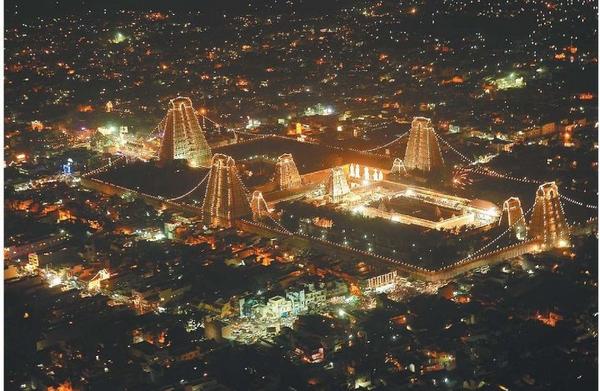
திருவண்ணாமலை கிருத்திகை தீப திருவிழா....27 நவம்பர் 2012

Embedded image permalink

திருவண்ணாமலை  கிருத்திகை  தீப  திருவிழா....

கார்த்திகை ,12, நந்தன வருடம்

27 நவம்பர் 2012

நன்றி : வாயாடி @dinesh_tdk


திருவண்ணாமலையில் மகா தீபம் ஏற்றப்பட்டது

நன்றி :செய்தி & புகைப்படங்கள் -தினமணி 

திருவண்ணாமலை அருணாசலேஸ்வரர் கோயிலில் செவ்வாய்க்கிழமை அதிகாலை ஏற்றப்பட்ட பரணி தீபத்தை பக்தர்களுக்குக் காட்டும் சிவாச்சாரியார்.

பஞ்சபூதத் தலங்கள் ஐந்தில் அக்னித் தலமான திருவண்ணாமலையில் கார்த்திகை மகா தீப விழா செவ்வாய்க்கிழமை கோலாகலமாக நடைபெற்றது.
2,668 அடி உயர மலை மீது மாலை 6 மணிக்கு மகா தீபம் ஏற்றப்பட்டவுடன் பக்தர்கள் "அண்ணாமலையாருக்கு அரோகரா' என பக்திப் பரவசத்துடன் வழிபட்டனர்.
சிவனே மலையாகக் காட்சி: பிரம்மா, விஷ்ணுவுக்கு இடையே யார் பெரியவர் என்ற போட்டி ஏற்பட்டது. இப்பிரச்னையைத் தீர்க்க முயன்ற சிவன், தனது அடியையும், முடியையும் எவர் கண்டெடுத்து வருகிறார்களோ அவரே பெரியவர் என்றார். பிரம்மா, விஷ்ணு இருவராலும் அடியையும், முடியையும் காணமுடியவில்லை.
இதையடுத்து, இருவருக்கும் ஜோதி வடிவமாக சிவன் காட்சியளித்ததைச் சித்தரிக்கும் வகையில், மலை உச்சியில் மகா தீபம் ஏற்றப்படுகிறது. திருவண்ணாமலையில் மலையே சிவனாகவும் வணங்கப்படுகிறது.
பரணி தீபம்: தீபத் திருவிழாவின் மிக முக்கிய நிகழ்வான பரணி தீபம் செவ்வாய்க்கிழமை காலை ஏற்றப்பட்டது. இதையொட்டி, அதிகாலை 2 மணிக்கு கோயில் நடை திறக்கப்பட்டு, மூலவருக்கு சிறப்பு அபிஷேகம் செய்யப்பட்டது. தொடர்ந்து, 2.45 முதல் 3.40 மணி வரை பரணி பூஜை நடத்தப்பட்டு, 3.45 மணிக்கு பரணி தீபம் ஏற்றப்பட்டது.
திருவண்ணாமலை மலை மீது செவ்வாய்க்கிழமை ஏற்றப்பட்ட மகா தீபம்.
இதே நேரத்தில் மகா மண்டபத்தில் உள்ள பிரதோஷ நந்தியின் வலது புறம் பஞ்ச மடக்குகள் வைத்து தீபம் ஏற்றப்பட்டு, சிவாச்சாரியார்களால் மடக்குப் பூஜை செய்யப்பட்டது.
4 மணிக்கு மூலவருக்கு தீபாராதனை காட்டப்பட்டு, அதே கற்பூர தீபத்தைக் கொண்டு பஞ்ச மடக்குகளுக்கும் தீபாராதனை காட்டப்பட்டது. தொடர்ந்து, கோயில் சிவாச்சாரியார்கள் மூலம் இதர சுவாமி சன்னதிகளில் தீபம் ஏற்றப்பட்டது.
2 அமைச்சர்கள் பங்கேற்பு: விழாவில், இந்து சமய அறநிலையத் துறை அமைச்சர் எம்.எஸ்.எம்.ஆனந்தன், சுற்றுலாத் துறை அமைச்சர் கோகுல இந்திரா, ஆட்சியர் விஜய் பிங்ளே, இந்து சமய அறநிலையத்துறை ஆணையர் தனபால், கோயில் இணை ஆணையர் அ.தி.பரஞ்சோதி, மேலாளர் இந்திரஜித், மேற்பார்வையாளர் துவாரகநாத் மற்றும் அரசுத்துறை அதிகாரிகள் பலர் கலந்து கொண்டனர்.
மகா தீபம்: இதையடுத்து, கோயில் பிரம்ம தீர்த்தக் குளத்தில் தீர்த்தவாரி நடைபெற்றது. காலை 9 மணிக்கு தீபம் ஏற்றத் தேவையான திரிகள் நாட்டார்கள் சமூகத்தினர் மூலம் அனுப்பி வைக்கப்பட்டது.
மாலை 5 மணிக்கு பஞ்சமூர்த்தி விமானங்கள் ஐந்தும் தீபதரிசன மண்டபத்துக்கு கொண்டு வரப்பட்டன. 5.30 மணிக்கு பஞ்சமூர்த்திகள் ஒன்றன் பின் ஒன்றாக சுவாமி சன்னதியில் எழுந்தருளினர். 5.50 முதல் 5.59 மணிக்குள் சுவாமி சன்னதி பின்புறம் இருந்து அர்த்தநாரீஸ்வரர் புறப்பட்டு, சரியாக 6 மணிக்கு தீபதரிசன மண்டபத்தில் பஞ்சமூர்த்திகள் எதிரே காட்சியளித்தார்.
காலையில் ஏற்றப்பட்ட பரணி தீப மடக்குகளை மூங்கில் தட்டில் வைத்து, தீபமுறை நாட்டார்கள் தலையில் சுமந்துகொண்டு 2ஆம் பிரகாரத்தில் வலம் வந்து, கொடிமரம் முன்பு நிறுவப்பட்ட அகண்ட தீப குண்டத்தில் சேர்த்தனர்.
இதே நேரத்தில் வைகுந்த வாசல் வழியாக, மலை உச்சிக்கு தீபம் ஏற்றுவதற்கான "எலால் தீபம்' மூலம் சமிக்ஞை காட்டப்பட்டது. தொடர்ந்து, மலையில் மகா தீபம் ஏற்றப்பட்டது.

பரணி தீபத்தைக் காண குவிந்த பக்தர்கள்.


  • பரணி தீபத்தைக் காண குவிந்த பக்தர்கள்.


  • அப்போது, கோயில் வளாகம், திருவண்ணாமலை நகரம், ரயில் நிலையம் மற்றும் அதைச் சுற்றியுள்ள பகுதிகளில் குவிந்திருந்த பல லட்சம் பக்தர்கள், "அண்ணாமலையாருக்கு அரோகரா' என்று கரங்களை உயர்த்தி, முழக்கமிட்டு வணங்கினர்.
    ஒளிவெள்ளம்: மலையில் தீப தரிசனம் பார்த்த மக்கள் வீடுகளிலும் விளக்கேற்றி வழிபட்டனர். இதனால் திருவண்ணாமலை நகரமே ஒளிவெள்ளத்தில் பிரகாசித்தது.
    வாணவேடிக்கை: பின்னர், தீபதரிசன மண்டபத்தில் இருந்து பஞ்சமூர்த்திகள் புறப்பட்டு, 3ஆம் பிரகாரத்தில் வலம் வந்தனர். அப்போது, கோயிலின் வடமேற்கு மூலையில் வாணவேடிக்கை நடைபெற்றது. தொடர்ந்து, பஞ்சமூர்த்திகள் தீபதரிசன மண்டபத்தில் எழுந்தருளினர்.
    தெப்பல் திருவிழா: விழாவின் தொடர்ச்சியாக புதன், வியாழன், வெள்ளிக்கிழமைகளில் தெப்பல் உற்சவம் நடைபெறுகிறது. டிசம்பர் 1ஆம் தேதி காலை சண்டிகேஸ்வரர் உற்சவத்துடன் கார்த்திகை தீபத் திருவிழா நிறைவு பெறுகிறது.
    இந்தாண்டுத் திருவிழா: முன்னதாக, இந்த ஆண்டுக்கான கார்த்திகை தீபத் திருவிழா நவம்பர் 18ஆம் தேதி கொடியேற்றத்துடன் தொடங்கியது. தினமும் காலையிலும், மாலையிலும் சுவாமிகளின் வீதியுலா நடைபெற்று வந்தன.
    தேரோட்டம்: நவம்பர் 23ஆம் தேதி வெள்ளித் தேரோட்டமும், 24ஆம் தேதி விநாயகர், முருகர், உண்ணாமுலையம்மன் சமேத அருணாசலேஸ்வரர், பராசக்தி அம்மன், சண்டிகேஸ்வரர் (பஞ்ச ரதங்கள்) தேரோட்டமும் நடைபெற்றன.
    திருவண்ணாமலை தீபத் திருவிழாவையொட்டி அர்த்தநாரீஸ்வரராக பக்தர்களுக்கு அருள்பாலித்த சிவன்.
    திருவண்ணாமலை தீபத் திருவிழாவையொட்டி அர்த்தநாரீஸ்வரராக பக்தர்களுக்கு அருள்பாலித்த சிவன்.
    வடக்கு மண்டல ஐஜி பி.கண்ணப்பன் தலைமையிலான போலீஸார் பாதுகாப்புப் பணியில் ஈடுபட்டிருந்தனர்.
    ..............................................................................................................................................................


    நன்றி : தினமலர் 


    260 கோடி வயது: திருவண்ணாமலையை ஆர்க்கேயன் காலத்தியது என்கிறார்கள். அதாவது, இந்த காலம் 200 கோடி ஆண்டுகளுக்கு முற்பட்டது. இந்த காலத்திலேயே திருவண்ணாமலை தோன்றி விட்டது என்கிறார்கள் ஆராய்ச்சியாளர்கள். திருவண்ணாமலையின் வயதை இவர்கள் 260 கோடி ஆண்டுகள் என்று மதிப்பிட்டுள்ளார்கள். இது உலகிலேயே மிகப்பழமையான மலை என்று, டாக்டர் பீர்பால் சகானி என்ற விஞ்ஞானி தெரிவித்துள்ளார். முதல் கணக்கெடுப்பின் படி மலையின் உயரம் 2665 அடி.

    ரொம்ப ரொம்ப சிறந்த மாதங்கள்: திருவண்ணாமலையில் ஒவ்வொரு மாதம் பவுர்ணமியன்றும் ஏராளமான பக்தர்கள் கிரிவலம் வருகிறார்கள். ஆனால், ஐப்பசி, கார்த்திகை, மார்கழியில் எல்லா நாட்களும் வலம் வரலாம். இவை மிகச்சிறந்த மாதங்கள் என்கிறார்கள் பெரியவர்கள். இப்போ இருக்கிற கூட்டத்துக்கு இதையெல்லாம் பார்த்தால் முடியுமா! எந்த மாசம் வந்தால் என்ன! மனசு அண்ணாமலையார் கிட்டே இருக் கணும், என்கிறார்கள் மூத்த பக்தர்கள்.

    தீபதரிசன மண்டபம்: அண்ணாமலையார் கோயிலிலுள்ள கிளிக்கோபுரம் அருகில் தீபதரிசன மண்டபம் உள்ளது. மங்கையர்க்கரசி அம்மையார் என்பவர் இந்த மண்டபத்தை 1202ல் எழுப்பினார். இதை மங்கையர்க்கரசி மண்டபம் என்றும் சொல்வர். இங்கு தான் தீபம் ஏற்றும் முன்பு,பஞ்சமூர்த்திகள் எழுந்தருளுவர்.

    கரும்புத்தொட்டில்: அண்ணாமலையின் முக்கிய நேர்த்திக்கடன்களில் ஒன்று கரும்புத் தொட்டில். குழந்தை பாக்கியமில்லாதவர்கள் இங்கு கிரிவலம் வருவர். தங்களுக்கு மகப்பேறு வாய்த்தால், அந்தக் குழந்தையை கரும்புத்தொட் டிலில் இட்டு, கிரிவலம் வந்து அண்ணாமலையாரைத் தரிசிக்க வருவதாக வேண்டிக்கொள்வார்கள். இவ்வாறு செய்தால், இன்னும் பல இனிய குழந்தைகளை அந்த தம்பதிகள் பெறுவார்கள் என்பது ஐதீகம்.

    ஆறுவிரல் ஆறுமுகம்: திருவண்ணாமலை திருப்புகழ் புலவர் அருணகிரியாருக்கு கைகளில் ஆறுவிரல் இருந்தது. அவர் ஆறுமுக பக்தர் என்பதால், அந்த முருகனே அவருக்கு அப்படி கொடுத்தான் போலும்! அவர் கால்களை சற்று உயர்த்தி எக்கி நடப்பார். அந்த நடை மயில்போல இருக்குமாம்! முருகனின் வாகனத்தை இது நினைவுபடுத்தியது.

    கண்ணொளி கீரையும் உண்ணாமுலையாளும்: பொன்னாங்கண்ணி கீரை சாப்பிடுவது கண்ணுக்கு நல்லது என்பார்கள் சித்த வைத்தியத்தில்! இதை அழுத்தம் திருத்தமாக இந்தப் பகுதி மக்கள் இளசுகளுக்கு எடுத்துச் சொல்வதற்காக, பொன்னாங்கண்ணியை புளிபோட்டு கடைஞ்சா உண்ணாமுலை தாயே ஓடி வந்து சாப்பிடுவா! என்கிறார் கள். இப்படி சொன்னால் தான், இளசுகள் அம்பாளே விரும்பும் கீரையாயிற்றே என்று விரும்பிச் சாப்பிடுவார்களாம்.

    மீனின் பெயர் செல்லாக்காசு: திருவண்ணாமலையிலுள்ள ரமணர் ஆஸ்ரமம் அருகேயுள்ள தீர்த்தத்தை  அகத்தியர் தீர்த்தம் என்பர். இது இருக்கும் இடத்தின் பெயர் பலாக்கொத்து. இதில் வசிக்கும் மீனின் பெயர் செல்லாக்காசு. அடேங்கப்பா! இப்படி ஒரு பெயர் வைக்க என்ன காரணம் என்று கேட்டால், இது அந்தக்காலத்து மீன் சாமி! அபூர்வ இனம் சாமி, என்ற பதில் மட்டும் தான் கிடைக்கிறது.

    திருவண்ணாமலையில் உருவான ஆதீனம்
    குன்றக்குடி ஆதீனம் பக்திப்பணியில் பிரபலமானது. இந்த ஆதீனத்தை ஸ்ரீலஸ்ரீதெய்வசிகாமணி தேசிகர் திருவண்ணாமலையில் தோற்றுவித்தார். பின்னர் அது சிவகங்கை மாவட்டம் பிரான்மலைக்கு மாற்றப்பட்டது. பிறகு குன்றக்குடிக்கு மாறியது. இதில் ஒரு விசேஷம் என்னவென்றால், திருவண்ணாமலை கோயிலுக்குள் இருக்கும் தீர்த்தத்தின் பெயரும் சிவகங்கை. சிவகங்கைக் கரையில் உருவான ஆதீனம், அதே பெயருள்ள  ஊருக்கு மாறியது விந்தை தானே!


    Quote Gems - Robin Sharma


    "Success is never deserved. 

     Success is always earned."


    Robin Sharma

    Robin Sharma is a Canadian author, born in Nepal in jan 1965, known for 12 books; including "The Monk Who Sold His Ferrari (HarperCollins), The Greatness Guide (HarperCollins) and "The Leader Who Had No Title: A Modern Fable On Real Success in Business and in Life" (Simon and Schuster). His latest book is "The Secret Letters of The Monk Who Sold His Ferrari". Sharma is the founder of Sharma Leadership International, a highly respected global leadership training firm. His books have sold millions of copies in over 65 countries making him one of the world's most widely read authors.

    Monday, November 26, 2012

    Jet Airways,Spice ject,Etihad Airways ans Airasia bhd to sell minority stakes


    Construction workers erect scaffolding at the site of metro station as a SpiceJet Airlines aircraft flies past in Chennai May 14, 2012. REUTERS-Babu-Files


    NEW DELHI | Mon Nov 26, 2012 12:17pm IST
     - Loss-making carriers Jet Airways(JET.NS) and SpiceJet(SPJT.BO) are in talks with Abu Dhabi's Etihad Airways and Malaysia's AirAsia Bhd (AIRA.KL), respectively, to sell minority stakes, a government source said.
    Any deal would be the first since India changed its rules in September to allow foreign carriers to buy stakes of up to 49 percent in local airlines, which have been battered by fierce competition and high operating costs.
    Shares in both the Indian carriers continued rallies from last week, with Jet shares up about 11.5 percent and Spicejet up 13.5 percent on Monday.
    The fiercely competitive Indian aviation industry lost a combined $2 billion in the last fiscal year. All but unlisted IndiGo lost money, hurt by high state taxes on jet fuel, expensive airports and regulatory uncertainty.
    Talks between Jet and Etihad have been the subject of media reports citing unnamed sources.
    "The talks are on. This is more or less final. It may take around a month and half," the government source told reporters, referring to the Jet-Etihad negotiations.
    "This deal is not just about investment but also technology and partnership in many other ways," said the source, who declined to be identified.
    A Jet official could not immediately be reached for comment.
    SpiceJet declined immediate comment, while officials from AirAsia, Asia's largest budget carrier, could not be reached for comment.
    Jet Airways shares had gained 50.6 percent in November through Friday while SpiceJet was up 17 percent on speculation of potential stake sales.
    "Reports of stake sale have driven stocks higher but its absurd given so much government interference in this sector," said Vivek Mahajan, head of research at brokerage Aditya Birla Money.
    Heavy competition is driven in part by government-subsidised losses at state-owned Air India AIN.UL. However, competition has eased somewhat and airfares have risen due to the decline in cash-and-debt strapped Kingfisher Airlines (KING.NS), the former No. 2 operator which has not flown since the start of October.
    (Additional reporting Abhishek Vishnoi and Manoj Dharra in MUMBAI; Editing by Tony Munroe and Jeremy Laurence)

    25 bills pending in Parliament


    First Post :Pallavi Polanki Nov 26, 2012
    Taking up where they left off at the last session of Parliament, MPs seem intent on honouring the House more in breach than in observance with adjournments dominating the first two days of the Winter Session. An ambitious agenda awaits Parliamentarians with 25 bills scheduled for consideration and passing and ten new bills listed for introduction.
    The rather memorable Winter Session last year saw both Houses of Parliament seized by the Lokpal Bill, under pressure by the public movement led by Anna Hazare to pass the anti-corruption legislation.
    The Lokpal Bill was discussed for 6 hours 42 Minutes in Lok Sabha before it was passed and the Rajya Sabha spent another 7 hours debating the Bill, according to PRS Legislative, an independent research group. A year later Anna Hazare and his new band of anti-corruption campaigners look set to have their cause handed to them on a platter, with disruptions dominating the first two days of Parliament Session.
    The Lokpal and Lokayukt Bill, 2011, piloted by the Ministry of Personnel, Public Grievances and Pensions, was first introduced in the Monsoon Session last year, withdrawn and reintroduced with key amendments in the following Winter Session. Passed by the Lok Sabha on December 27, the Bill was referred to a Rajya Sabha Select Committee which on Friday (Nov 23) tabled its report.
    During the Monsoon Session which was rocked by the CAG’s coal block report, only four of the 30 bills on agenda were passed. As per PRS Legislative, of the 15 new Bills that were listed for introduction, only six were introduced. Its research shows that “almost no time was spent on discussing Bills. The Lok Sabha passed three Bills in under five minutes.”
    Setting new records for the speed with which bill are passed, the Protection of Women Against Sexual Harassment at Workplace Bill, 2010, which is up for consideration in the current Session, was passed “in 16 minutes without any discussion.” 
    In another damning observation PRS states that in the 15th Lok Sabha, Parliament has passed an average of nine Bills per session and that at the end of the Monsoon session, 102 Bills were pending before Parliament.
    In response to a recent RTI query, the Rajya Sabha and Lok Sabha secretariats revealed that during the Monsoon Session, the two Houses of Parliament functioned for only 54 hours out of 206 hours. While the Lok Sabha, the RTI revealed, lost 77.51 hours as a result of interruption and adjournment, Rajya Sabha lost 63.3 hours.
    On the current session’s agenda, are two key Higher Education reform Bills — the Education Tribunals Bill, 2010, which was passed by the Lok Sabha as far back as August 2010, and is pending in the Rajya Sabha and the The National Accreditation Regulatory Authority for Higher Educational Institutions Bill, 2010.
    Awaiting passage in the Rajya Sabha is a crucial bill, the first such legislation that seeks to protect working women against sexual harassment. The Protection of Women from Sexual Harassment at Workplace Bill, 2010, which after much debate was amended to include domestic workers, provides for the setting up of an ‘Internal Complaints Committee’ at the work place and a ‘Local Complaints Committee’ at the district level.
    In the current atmosphere of disclosures, an anti-corruption bill the Parliament is sitting on is the Whistleblower’s Protection Bill, 2010, which seeks to protect those making disclosures against corruption or abuse of power by a government servant. The Bill was passed by the Lok Sabha on the same day the Lokpal and Lokayuktas Bill was passed. It remains pending in the Rajya Sabha.